The Hidden Dangers of Public WiFi and How Users Can Stay Safe
Mr. Zakir Hussain Rangwala, CEO, BD Software Distribution Pvt.Ltd
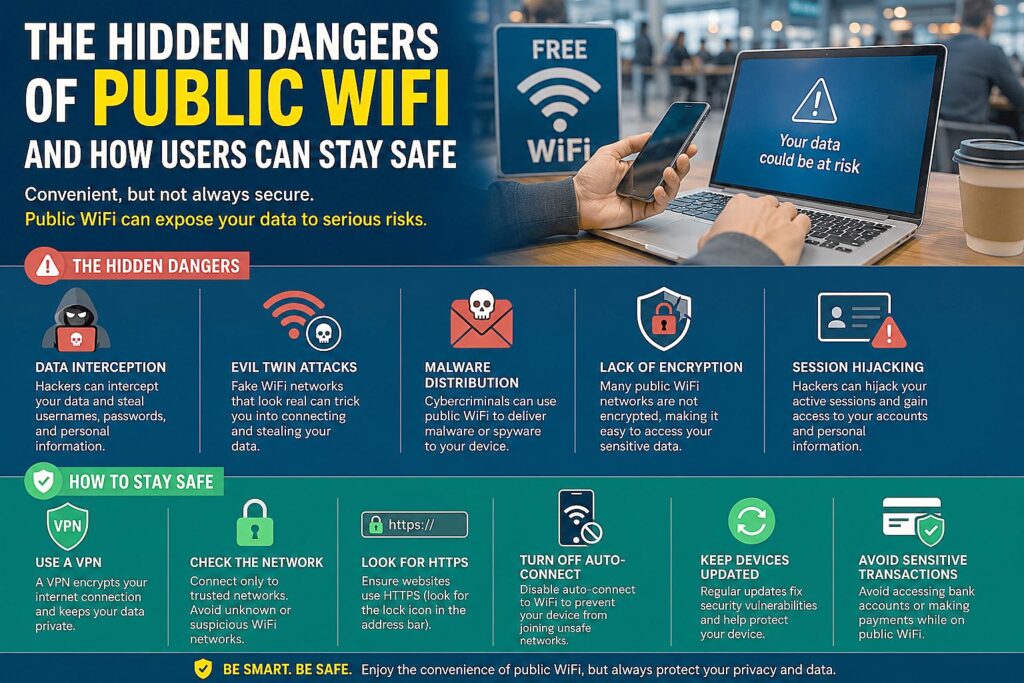
Public WiFi networks have become an everyday convenience, but behind their accessibility lie significant hidden dangers that many users underestimate. These networks are often unsecured, making it easy for cybercriminals to intercept data through man-in-the-middle attacks, where they position themselves between the user and the network to capture login credentials, financial information, emails, or personal details.
Hackers also set up fake hotspots that look legitimate, leading unsuspecting users to connect and unknowingly expose their online activity. Because most public networks lack encryption, attackers can monitor browsing habits, inject malware into downloads, or redirect users to malicious websites with ease. Even routine actions like checking social media or reading emails can reveal sensitive information that contributes to identity theft or targeted attacks. The openness of public WiFi makes it a perfect playground for cybercriminals who exploit the trust and lack of awareness among everyday users.
Despite these risks, users can stay safe by adopting simple but effective precautions while using public WiFi. Using a Virtual Private Network (VPN) is one of the best ways to secure online activity, as it encrypts data and prevents anyone on the same network from viewing it. Ensuring websites use HTTPS adds an additional layer of protection.
Users should avoid accessing banking sites, online shopping portals, or sensitive corporate accounts on public networks and turn off automatic WiFi connections to prevent devices from linking to rogue hotspots. Enabling two-factor authentication (2FA) ensures that even if credentials are stolen, unauthorized access becomes difficult.
Keeping devices updated with the latest security patches, using trusted antivirus software, disabling file sharing, and switching to a personal mobile hotspot when possible, further minimize vulnerabilities. By staying vigilant and applying these protective measures, users can enjoy the convenience of public WiFi without compromising their privacy or exposing their data to cyber threats.